Two destinations, one corridor
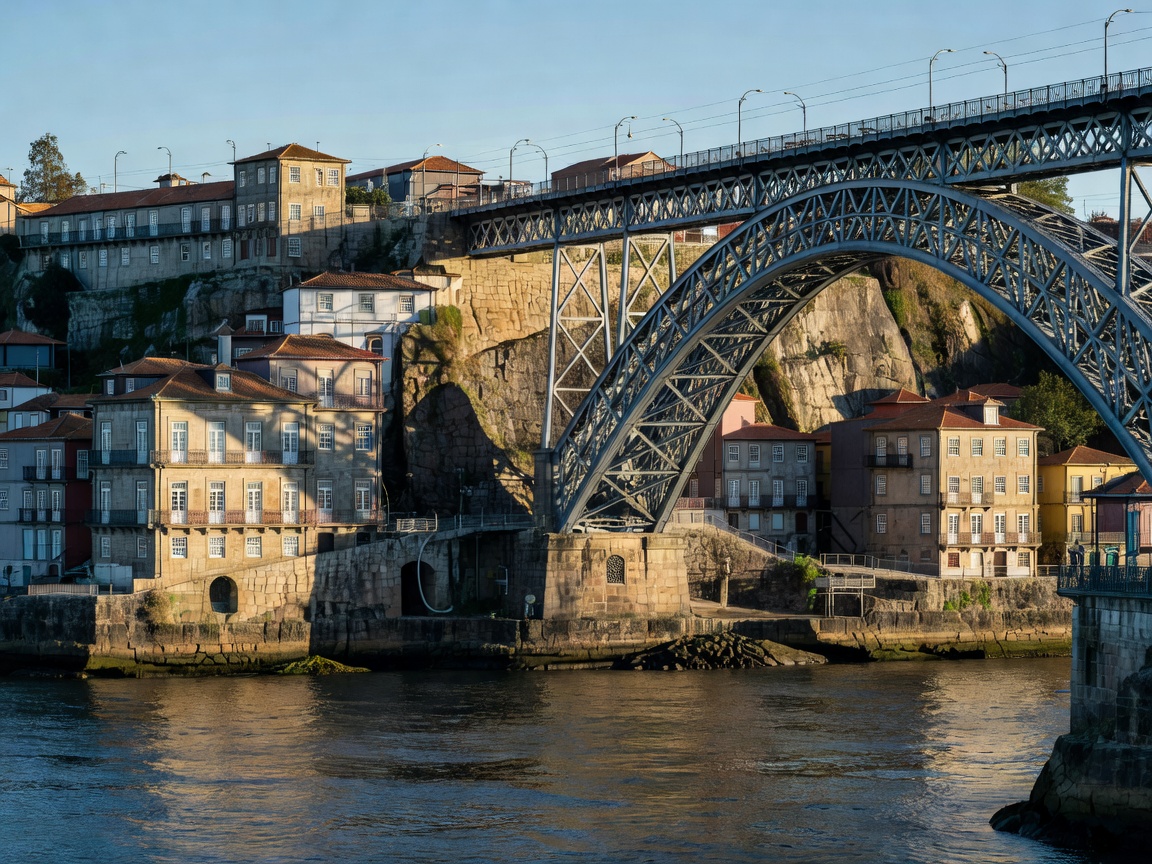
Porto sits where the Douro meets the Atlantic. Everything visitors come for — the riverfront, the historic centre, the port lodges on the Vila Nova de Gaia bank — fits into a walkable but vertical core. The valley itself begins around sixty kilometres inland and unfolds for another hundred, narrowing and steepening as it goes. Treating them as one trip works because a single railway, the Linha do Douro, runs from Porto along the river's north bank deep into the wine country.
Where you stop on that line defines the character of the trip. The lower valley around Régua is the easiest to reach and the most developed, with river cruise traffic and the widest choice of places to eat. Pinhão, further upriver, is smaller, prettier and the classic base for terrace views. Beyond that the line continues into the upper Douro, where infrastructure thins out and the landscape becomes the whole point.
Rail, road or river
Each mode does something different and none is strictly best.
Train
The riverside section of the line is one of Europe's better scenic rides, and it removes the drink-driving problem entirely. Services are limited in number, so the timetable shapes your day. Sit on the river side and travel in daylight.
Car
Necessary if you want remote quintas or high viewpoints on the plateau. Valley roads are narrow, steep and slow — average speeds are far lower than the map implies. Plan a designated driver, and expect electronic tolls on the motorway approach.
Boat
Cruises run from Porto and between valley towns, including short cruises through the locks. They are relaxing but slow; a common compromise is train one way and boat the other on a single stretch.
Harvest and the rest of the year
Late summer into autumn is harvest, and it changes both the atmosphere and the availability of everything. Estates are working rather than hosting, some offer participation experiences, and rooms in the valley are scarce. If harvest is your goal, book several months ahead and be flexible on dates, because the picking window moves with the weather.
Spring is the quieter counter-proposal: green terraces, wildflowers, cool mornings and far easier reservations. Winter brings rain, short days and genuinely cold valley nights, but also empty roads and the lowest accommodation pressure of the year. Summer is hot inland — the valley is a heat trap between rock walls, and midday walking is unpleasant.
Tastings without the tour-bus feeling
Two structures exist. In Vila Nova de Gaia you can visit the historic lodges where port is aged, usually with a short guided walk and a seated tasting; these are well organised and easy to slot into a city day. In the valley you visit the quintas where the grapes are actually grown, which means booking ahead, arriving by appointment and usually spending longer. Smaller producers often require a reservation days in advance and may not have staff who can accommodate walk-ins at all.
Rather than chasing famous names, choose by format: do you want a vineyard walk, a vertical tasting, a lunch, or a short cellar visit? Ask that question when you enquire and the visit tends to match expectations. Prices vary widely by producer and tasting depth, so confirm directly when you book.
Pros and cons
Strengths
- City and countryside in one trip without a long transfer.
- Scenic rail access means a car is optional, not essential.
- Strong food culture at lower prices than the Lisbon region.
- Distinct seasons give genuinely different trips.
Frictions
- Sparse train times upriver limit day-trip flexibility.
- Valley evenings can be quiet to the point of closed.
- Porto's centre is steep, with stairs and heavy footfall on the main axes.
- Harvest season books out early and prices rise with demand.
A seven-day shape
- Days 1–3 — Porto. Historic centre, riverfront, Gaia lodges, plus a tram or metro run out to the Foz seafront for Atlantic air.
- Day 4 — Move upriver. Morning train along the river to Régua or Pinhão; afternoon walk on the terraces near your accommodation.
- Day 5 — One quinta, properly. A single booked visit with time either side rather than three rushed stops.
- Day 6 — Upper valley or boat. Either continue upriver by rail or take a short cruise through a lock and return.
- Day 7 — Back to the coast. Return to Porto with a spare afternoon for the market streets and the beach line.
Before you go
Check the railway timetable before you choose a valley town, because the last useful train back is the real constraint on your day. If you drive, register your vehicle for electronic tolling or use one of the roadside registration options for foreign plates. And leave one afternoon unbooked: the valley's best hours are often the ones you did not schedule.
Next: The Algarve Coast, where the planning problem becomes crowds and cliff access rather than timetables.