Atlantic route notes · Updated for the 2026 season

Portugal, planned coast first.

Pockevltbriskio is a planning desk for the Portuguese Atlantic: five regional guides that explain how the trains, ferries, roads and seasons actually fit together — from the Lisbon tidal shelf to the mid-ocean Azores.

Regions covered
5
Mainland coast
Atlantic only
Island groups
Madeira & Azores

The index

Five coastal itineraries, each with its own logic

Portugal is small on a map and slow on the ground. Every guide below is built around one realistic base-and-radius pattern: where to sleep, what moves you, which days to hold back for weather, and what genuinely rewards a detour.

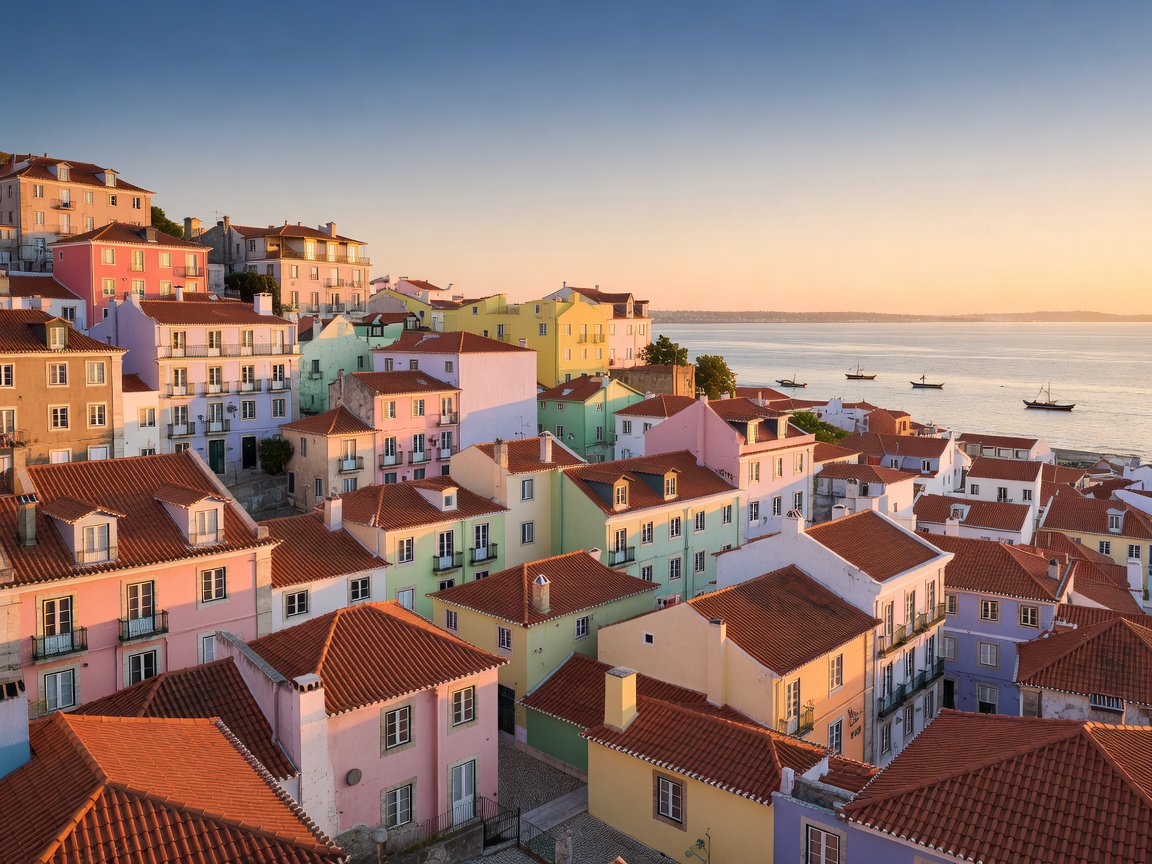
  • Pastel hillside rooftops above the Tagus estuary in Lisbon at late afternoon Guide 01

    Lisbon, Sintra & Cascais

    One city base, three landscapes: estuary Lisbon, the damp microclimate of the Serra de Sintra, and the wind-scoured Cascais–Guincho shoreline — all reachable on suburban rail.

    • Suburban rail
    • No car needed
    • 4–6 days
    Read the guide
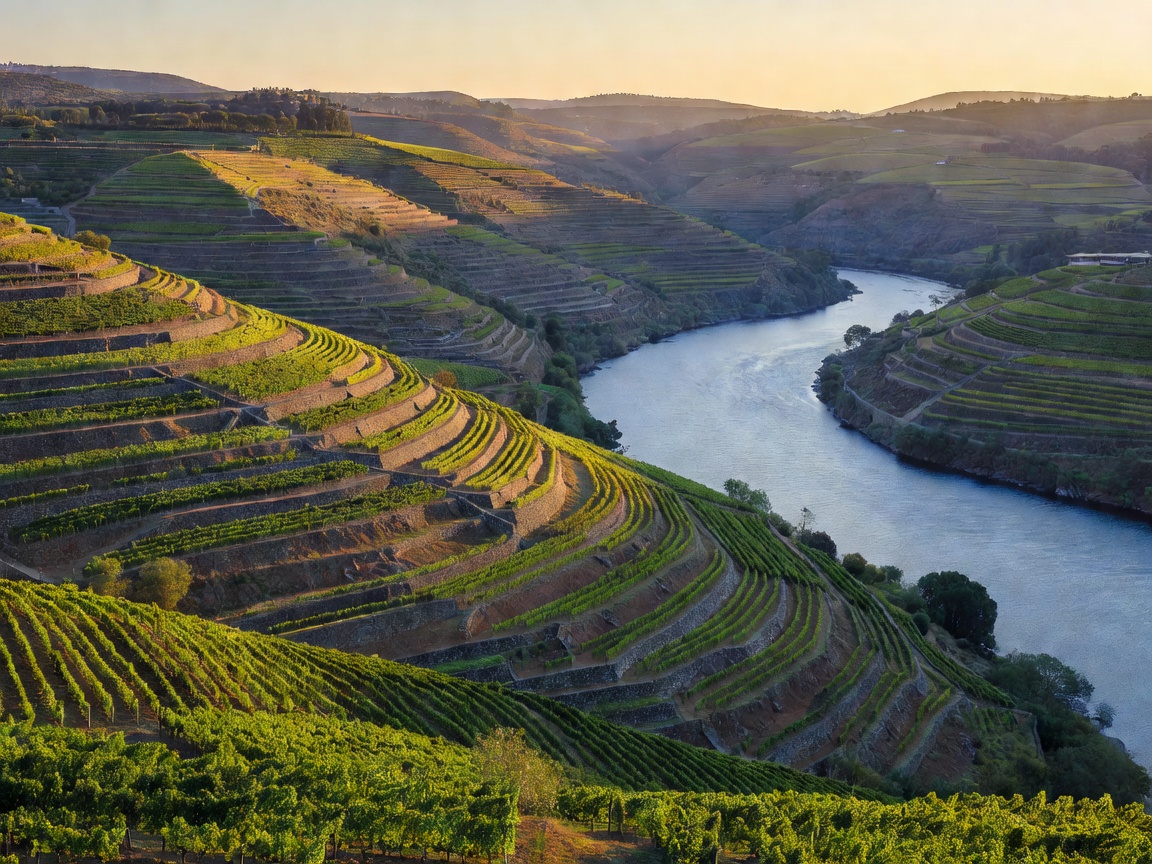
  • Terraced vineyard slopes falling towards a bend in the Douro river Guide 02

    Porto & the Douro Valley

    The north pairs a compact granite city with a river valley you should never drive in a hurry. The Linha do Douro railway does the hard work; harvest season changes everything.

    • Railway valley
    • Harvest window
    • 5–7 days
    Read the guide
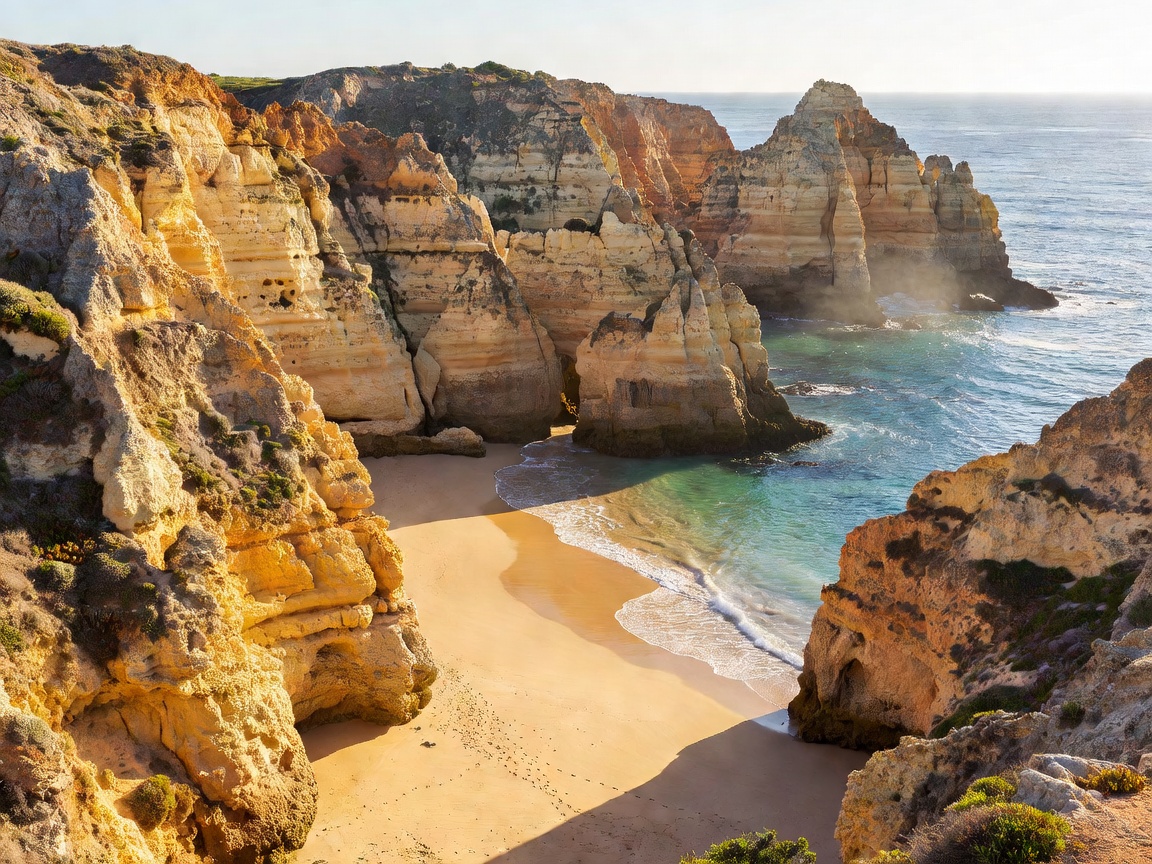
  • Golden limestone cliffs and a narrow sandy cove on the Algarve coastline Guide 03

    The Algarve Coast

    Three different coasts wearing one name: the limestone barrocal around Lagos and Carvoeiro, the lagoon flats of the Ria Formosa, and the raw west-facing Costa Vicentina.

    • Car recommended
    • Shoulder season
    • 5–8 days
    Read the guide
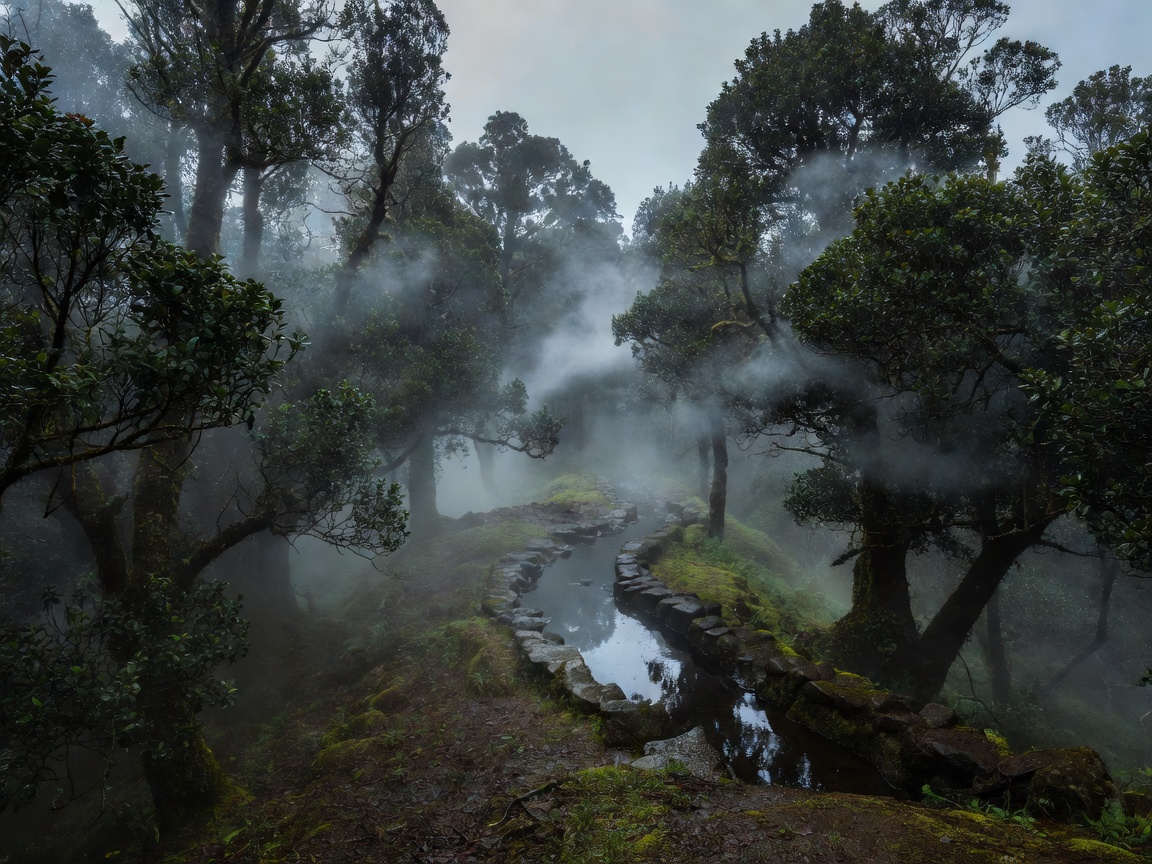
  • Mist drifting over a laurel forest ridge and levada channel in Madeira Guide 04

    Madeira & Porto Santo

    A vertical island where the weather is a north–south argument. Levada walks, the Pico do Arieiro ridge, and a sister island two and a half hours away by ferry.

    • Year-round
    • Hiking core
    • 6–9 days
    Read the guide
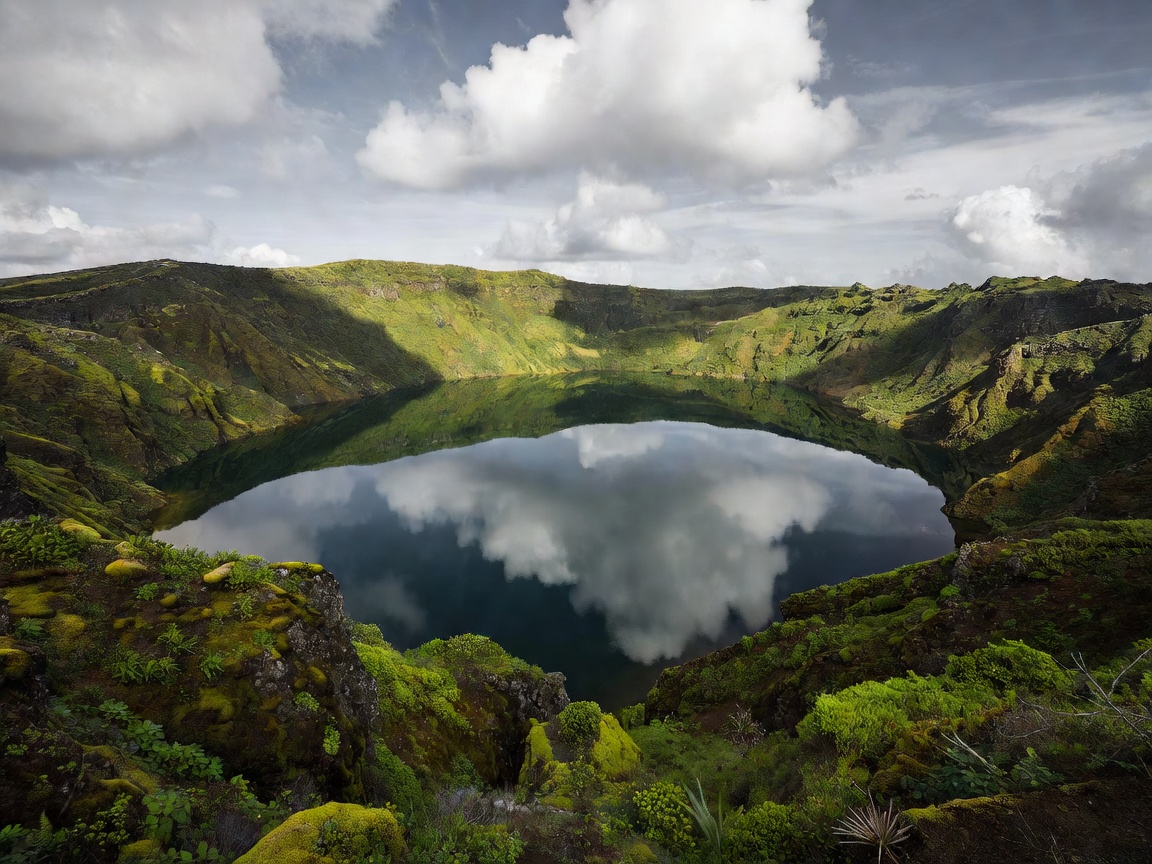
  • Green crater rim and a still caldera lake under moving cloud in the Azores Guide 05

    The Azores

    Nine islands, three groups, one weather system that ignores your itinerary. How to choose between São Miguel, Pico, Faial, Terceira and Flores without over-hopping.

    • Inter-island flights
    • Whale season
    • 7–12 days
    Read the guide
  • How we write

    Categories, not invented certainties

    Timetables, fares and opening hours in Portugal change with the season and the operator. Rather than printing figures that go stale, we describe how each system behaves, what to compare, and where to confirm before you book.

    Ask us something specific

Supporting tool

Route planner: pick a shape, not a checklist

Most disappointing Portugal trips are transport problems, not taste problems. Choose a corridor below to see the movement pattern it implies and the guide that covers it.

Select a corridor

Seasonality

When the coast behaves

General seasonal patterns reported for each region. Conditions vary year to year — check a forecast close to travel.
RegionQuietest monthsMain pressurePlanning note
Lisbon CoastLate autumn, winterCity breaks year-roundSintra sites benefit from an early start any month
Porto & DouroWinter, early springHarvest and summer weekendsValley accommodation books out around harvest
AlgarveWinterPeak summer school holidaysSpring and early autumn give warm sea with space
MadeiraShoulder monthsFestive period and summerNorth and south coasts can differ on the same day
AzoresLate autumn to early springSummer whale and hiking seasonFewer flights and rougher seas outside summer

Portugal's Atlantic edge is not one climate. The mainland coast is governed by the nortada, the summer northerly wind that cools beaches from Porto to Cascais and builds the swell that surfers chase. The Algarve's south-facing bays sit in the lee of that wind, which is why the same week can feel like two different countries depending on which way your beach points.

The islands add altitude to the equation. Madeira's central ridge splits the weather so decisively that a cloudy morning in Funchal can sit under clear sky at Pico do Arieiro, or the reverse. In the Azores, systems move through quickly; the practical response is to plan activities as a pool of options rather than a fixed sequence, and to hold your most weather-dependent day until you have a forecast you trust.

Our guides are written around that flexibility. Each one names the fixed points worth committing to in advance — timed-entry sites, a single quinta visit, a boat departure — and separates them from the parts of the day you should leave loose. If you want a second opinion on a draft itinerary, the contact desk is open.