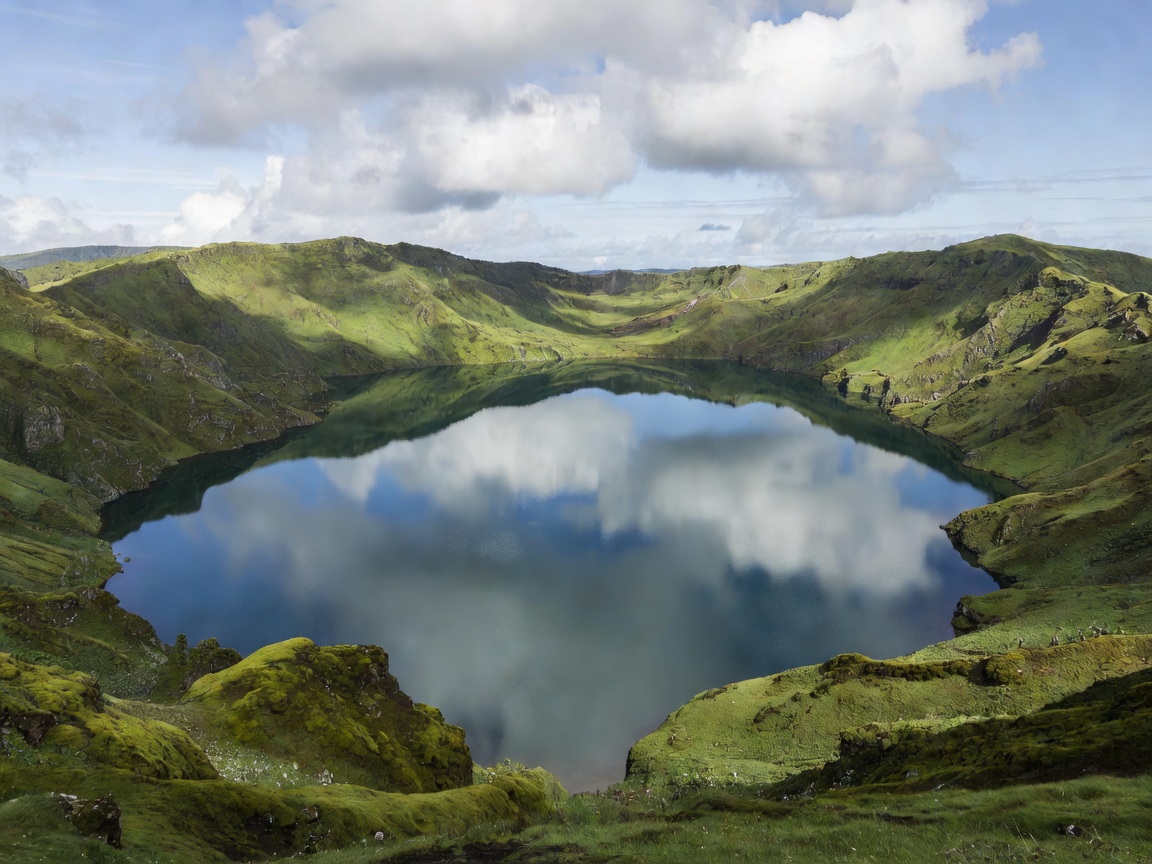
Geography before itinerary
The nine inhabited islands fall into three groups. The eastern group holds São Miguel, the largest and best connected, plus Santa Maria. The central group — Terceira, Graciosa, São Jorge, Pico and Faial — is clustered closely enough that ferries between several of them are practical in summer. The western group, Flores and Corvo, sits far out and requires more time and more tolerance for disruption.
That layout dictates a simple rule: combine islands within a group, not across groups, unless you have a fortnight. A first visit of a week to ten days works best as São Miguel plus one central island, or as two or three central islands with a single arrival and departure point.
Choosing islands by what you want
- São Miguel — the most varied: crater lakes, hot springs at Furnas, tea cultivation, the widest choice of hotels, restaurants and tour operators. Also the busiest.
- Pico — dominated by its volcano, with lava-walled vineyard enclosures near the coast and long views across the channel. Strong for hiking and whale watching.
- Faial — Horta's marina is an Atlantic sailing crossroads; the Capelinhos volcanic landscape is unlike anywhere else in the group.
- São Jorge — dramatic fajãs, the flat coastal shelves below sheer cliffs, reached on steep switchback descents. Quiet and demanding.
- Terceira — Angra do Heroísmo's historic centre plus lava caves and bull-running traditions in summer.
- Flores — the most photographed waterfalls and the least forgiving logistics.
Moving between them
Inter-island flights are the backbone. They are short, frequent enough in summer, thinner in winter, and subject to cancellation when cloud or wind closes an airport. Baggage allowances on small aircraft are tighter than on mainland services, so check before you pack hiking gear.
Ferries operate within the central group, with a much fuller schedule in summer and a reduced winter service. Crossings between Pico, Faial and São Jorge are the ones most useful to travellers, and they can be cancelled on short notice in heavy swell. Treat every ferry as weather-dependent, and never make one the only way to reach a same-day flight.
On the islands themselves, hire cars are the realistic option. Public buses exist and serve villages, but frequencies are low and rarely line up with trailheads or viewpoints. Roads are generally good and distances are modest, though fog on high crossings is common.
Whales, hot springs and the season question
Whale and dolphin watching runs from small ports across several islands, with resident species present much of the year and migratory baleen whales passing through in spring. Boats are small, seas can be lively, and trips are cancelled when conditions are poor. Book early in your stay so you have a second chance.
Summer brings the fullest transport schedules, the warmest sea and the best odds of clear caldera views — plus the highest prices and the busiest trails. Late spring and early autumn are the balance point. Winter is green, cheap, stormy and beautiful, but many tours pause and inter-island movement becomes genuinely unreliable. Thermal bathing at Furnas and coastal hot springs works in any season and is a good rainy-day fallback.
Pros and cons
Strengths
- Landscapes with no mainland equivalent: calderas, fajãs, lava fields.
- Excellent marine wildlife watching from small local operators.
- Uncrowded outside high summer, with a strong sense of place.
- Good value for food and accommodation relative to the scenery.
Frictions
- Weather disruption is normal, not exceptional.
- Island hopping eats days in airports and ports.
- Limited public transport; car hire sells out in summer.
- Few conventional sandy beaches; swimming is in pools and coves.
A nine-day shape
- Days 1–4 — São Miguel. Sete Cidades and Lagoa do Fogo on the clearest mornings, Furnas on a wet day, north-coast viewpoints in between.
- Day 5 — Transfer. Fly to the central group; keep the arrival afternoon light in case of delay.
- Days 6–7 — Pico or Faial. Vineyard walls, a whale-watching departure, and a coastal walk.
- Day 8 — Channel hop. Ferry to the neighbouring island for the day, with a fallback plan if it is cancelled.
- Day 9 — Buffer. Return leg with slack built in before any onward flight.
Before you go
Build at least one buffer day before an international departure. Pack for four seasons in one day, including a waterproof shell and grippy footwear. Book whale trips, car hire and any permit-controlled hikes ahead in summer. And check official weather and sea-state advisories rather than relying on a generic app: in the middle of the Atlantic, local forecasts matter more than averages.
Return to the full guide index or tell us your dates through the contact desk.